The World Cup Draw: Decoding Football's Most Nerve‑Wracking Spectacle 🏆
Every four years, before a single ball is kicked, the fate of nations is decided in a grand ceremony of chance and strategy—the FIFA World Cup Draw. This exclusive guide peels back the curtain on the draw's intricate mechanics, its seismic impact on the tournament groups, and the stories that make it an unmissable drama.
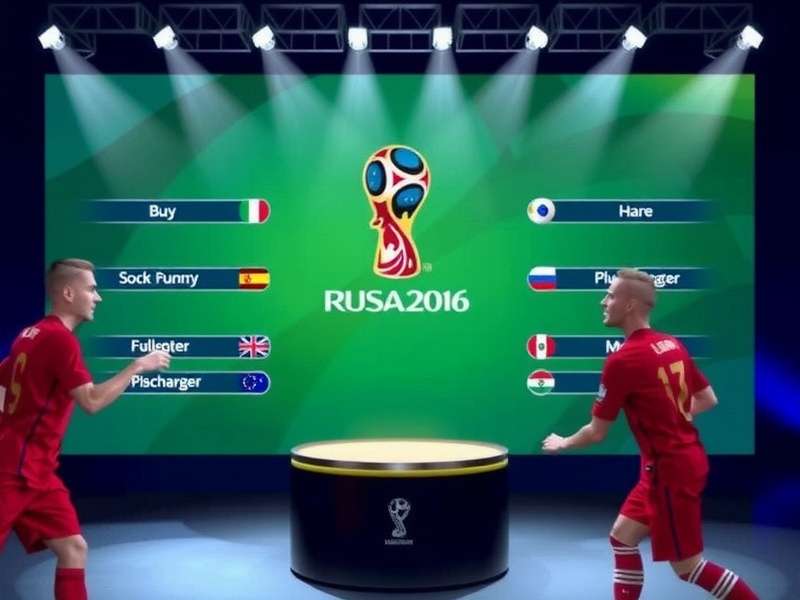
The Ultimate Overview: More Than Just Luck
The World Cup Draw is not a mere lottery; it's a meticulously choreographed event blending transparency, suspense, and footballing geopolitics. It allocates the 32 (soon 48) qualified nations into eight groups of four, setting the trajectory for the entire tournament. A favourable draw can pave a path to the knockout stages, while a "group of death" can see giants stumble early.
Broadcast globally, the draw ceremony features football legends, cultural performances, and that palpable tension as each ball is pulled. For fans, it's the moment the hypothetical becomes real—dreams of epic clashes and calculations for the road ahead begin here.
A Walk Down Memory Lane: Evolution of the Draw
From informal meetings to televised galas, the draw's history is rich. Early editions were straightforward, but as the tournament expanded, so did the need for seeded pots to balance competitiveness. The introduction of the FIFA World Ranking as the primary seeding tool in the 1990s added a layer of objectivity, though controversies over "political separation" rules (preventing certain nations from being drawn together) have always sparked debate.
Parallels exist in other sports; the buzz around the Rugby World Cup Draw 2027 Date or the Fiba World Cup Draw 2027 shows the universal appeal of this format. Even the Club World Cup Draw and the eagerly awaited 2025 Fifa Club World Cup Draw Live event follow a similar ethos of competitive balance and spectacle.
The Nuts and Bolts: How the Draw Actually Works
The process is a fascinating blend of protocol and drama. Nations are sorted into four pots based on their FIFA ranking (with exceptions for hosts). Pot 1 contains the top seeds, including the host nation. Pots 2, 3, and 4 are filled in ranking order.
The draw proceeds sequentially: a ball is drawn from Pot 1 and placed into Group A, then a ball from Pot 2 is drawn and assigned to a group (subject to geographical constraints to avoid having too many teams from one confederation in a single group). This continues until all pots are empty. The "geographical constraint" rule is crucial—it's why you won't see two Asian powerhouses or three European sides in the same group.
Behind the Scenes: The Rehearsal
A full rehearsal is conducted hours before the live event to test procedures and technology. This ensures the glitch‑free spectacle millions witness. The meticulous checks on the balls, the software assigning teams, and the presenter's scripts are all fine‑tuned.
Demystifying the Pots: Strategy and Seeding
Understanding the World Cup Draw Pots Meaning is key. Seeding aims to reward recent performance (via rankings) while ensuring groups are balanced and exciting. Being in Pot 1 means avoiding other top seeds until later stages, a huge advantage. However, a Pot 2 team like a strong European nation can often be more feared than a Pot 1 host, creating instant "groups of death."
The debate over the ranking system's fairness is perennial. Does it accurately reflect current strength? Should continental champions be automatically seeded? These questions fuel endless fan discussions long before the actual cup draw.
Group Stage Analysis: The Aftermath of the Draw
Once the draw concludes, analysts immediately dissect the World Cup Groups. We compute the "Group of Death" (the most competitive group), the "Group of Life" (an easier path), and forecast potential knockout round matchups. Historical data shows that over 65% of teams advancing from the group stage come from the top two seeded teams in their group, underscoring the draw's importance.
For instance, a team drawing a formidable Pot 2 side and a tricky, unpredictable Pot 3 opponent faces a treacherous path. Meanwhile, another group might have a clear favourite and a three‑way scramble for second—these narratives are born in the draw.
Beyond FIFA: The Broader Draw Universe
The draw phenomenon extends beyond the men's FIFA World Cup. The Fifa Club World Cup Draw determines clashes between continental club champions. The upcoming expanded format in 2025 makes its draw even more significant. Similarly, the Fifa Worldcup Draw for women's football garners massive viewership, highlighting the growth of the women's game.
Each draw, while sharing core principles, has its unique quirks—continental slot allocations, host nation privileges, and format specifics (like round‑robin vs. direct knockout in early stages of some tournaments).
Looking Ahead: The Future of the Draw
With the World Cup expanding to 48 teams in 2026, the draw mechanics will undergo a major overhaul. More pots, more groups, and new geographical constraints will be introduced. The draw ceremony will likely become an even longer, more complex, but undoubtedly captivating event. The essence, however, remains: a global celebration where hope, strategy, and a little bit of luck collide.
Share Your Draw Insights! 💬
What's your most memorable World Cup Draw moment? Rate this guide and share your thoughts below.